- 都電22系統跡コース(2)
- コース 踏破記
- <<都電22系統跡コース(1)の続きです>>
今日は2月17日です。吉德と久月はひな祭りの人形を求める人達で賑わっていることでしょう。浅草橋の周辺には人形店が多くあります。理由のひとつは江戸の町民文化です。戦国時代が終わり、江戸時代になって平和な時代が続いたおかげで人々が余暇を楽む文化が開花しました。桃の節句・端午の節句を祝う習慣が町民に広まり、日本橋などで雛市や人形市が開かれ、大いに賑わうようになりました。また寺社の参道に参拝客を相手にする商店が立ち並び、土産物としても玩具人形の需要が高まったために浅草近隣に人形を扱う店がいくつも創業されたのです。もうひとつの理由は、浅草橋付近が神田川と隅田川に接していたことから、船による輸送が便利だったことにあります。製造のためのさまざまな材料を仕入れやすく、また出来上がった製品を出荷するのにも便利だったのです。そのため、人形だけでなく、江戸時代にこの一帯ではさまざまな製造業や卸売業が発展しました。現在でも、浅草橋周辺には人形をはじめ、玩具・花火・文具・装飾品・革製品などの問屋街があり、社屋や店舗として残っています。
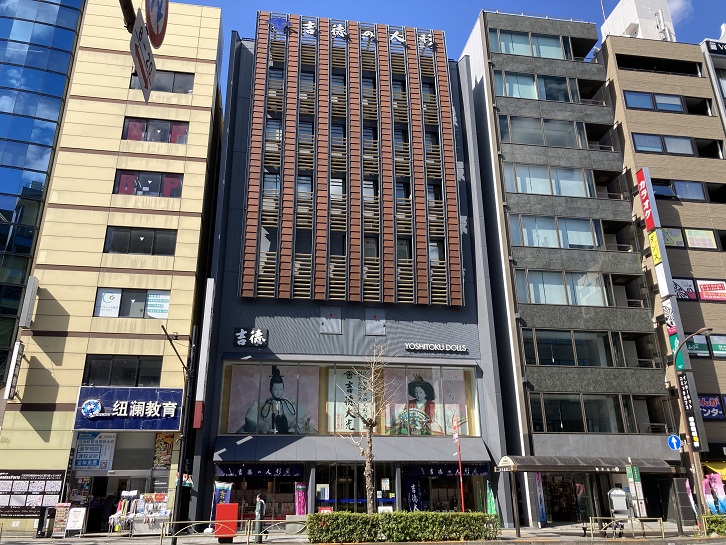
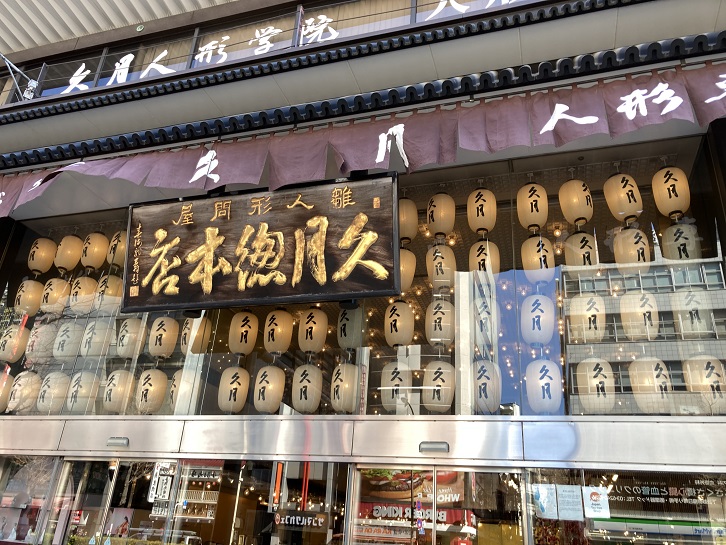
蔵前という地名は江戸幕府の米倉があったことに由来していますが、年配の方には相撲の蔵前国技館の方が馴染みがあるのではないでしょうか?現在の両国国技館の先代にあたる蔵前国技館は昭和二十九年(1954年)に完成し、相撲だけでなくレスリングやボクシングの興業、それに柔道・剣道の大会なども行われました。キャンディーズのコンサートも行われたんですね。しかしながら、昭和五十九年(1984年)9月場所を最後に閉館し、跡地は都の下水道局の施設になっています。
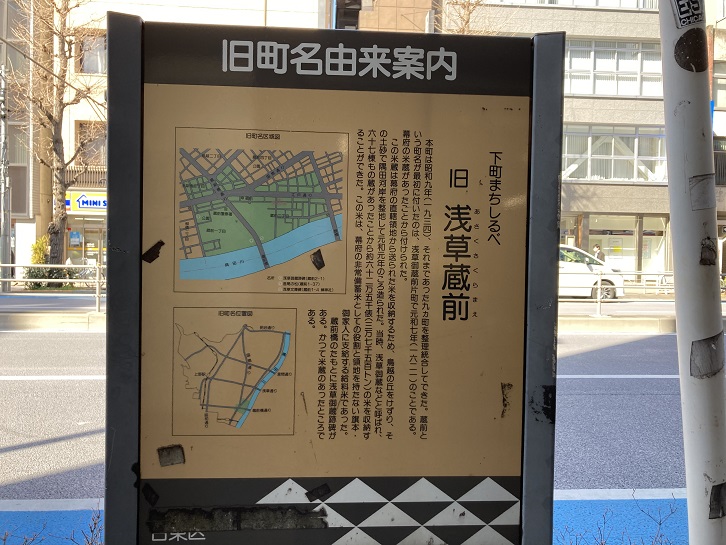
旧町名由来案内 下町まちしるべ 旧浅草蔵前
本町は昭和九年(1934年)、それまであった九ヵ町を整理統合してできた。蔵前という町名が最初に付いたのは、浅草御蔵前片町で、元和七年(1621年)のことである。幕府の米蔵があったことから付けられた。この米蔵は幕府の直轄領地から送られた米を収納するため、鳥越の丘をけずり、その土砂で隅田河岸を整地して元和元年のころ造られた。当時、浅草御蔵などと呼ばれ、六十七棟もの蔵があつたことから、約六十二万五千俵(三万七千五百トン)の米を収納することができた。この米は、幕府の非常備蓄米としての役割と領地を持たない旗本・御家人に支給する給料米であった。蔵前橋のたもとに浅草御蔵跡碑がある。かつて米蔵のあったところである。
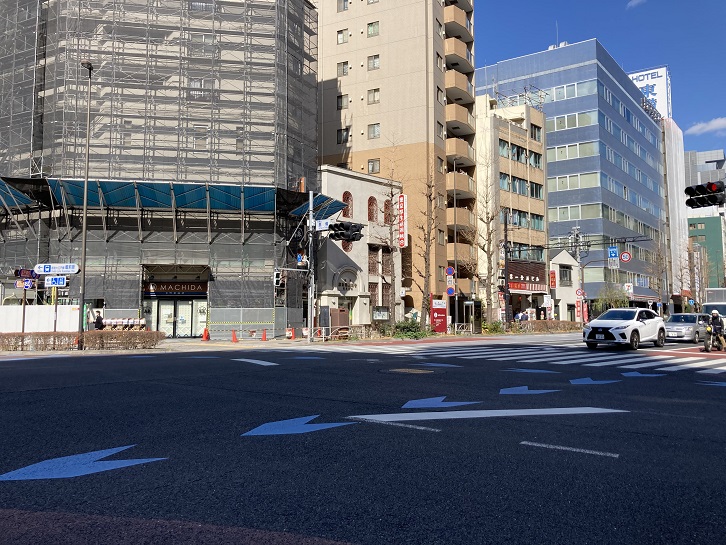
厩橋交差点で春日通りと交差します。右手には厩橋が見えます。厩橋全体には、馬を連想させるレリーフなどが施されています。橋名の由来は、隅田川の西岸にあった「御厩河岸(蔵前の米蔵の荷駄馬用の厩)」に因んでいます。厩橋が架かる前の江戸時代には、「御厩の渡し」で対岸と行き来していました。昔から渡し船の転覆事故が多く、「三途の渡し」と揶揄されていたこともありました。
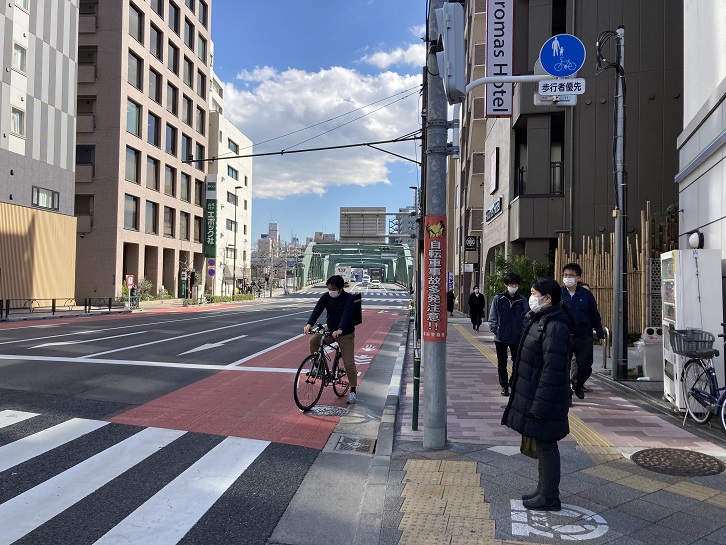
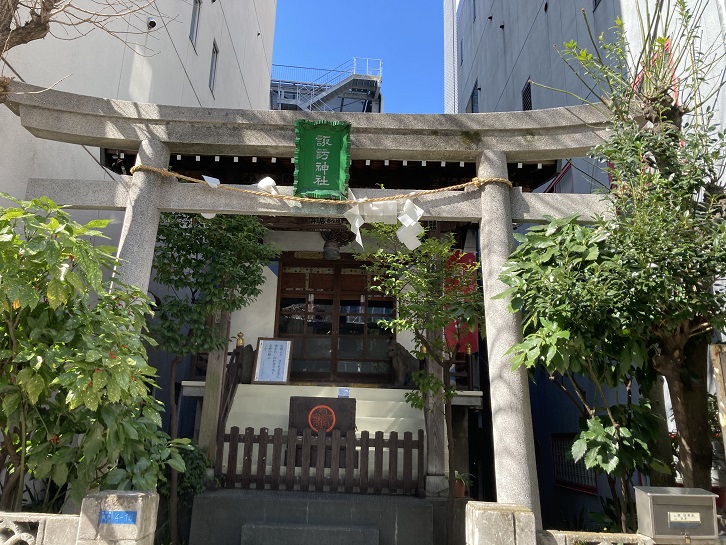
江戸通りの左手に小さな神社があります。毛筆で書かれた長~~~い文章の由緒板が立てられています。一字でも書き間違えたら一巻の終わりでしたね。
諏訪神社
当社の創祀は定かではありませんが、口碑に依りますと、承久の乱のあと信濃国諏訪郡に住んでいたある神主が諏訪大社の神霊を当地に奉斎したのに始まると云われています。諏訪の信仰が東国に広まるのは鎌倉時代中頃と云われ、当時諏訪大社は鎌倉幕府より、箱根権現や伊豆山権現、三島大社と共に、特別の尊崇を受けていたのです。それは諏訪大社の大祝家が源頼朝の旗上げに最初から協力し、祈祷の効を積んだからである。従がって頼朝も諏訪大社を武家守護の神として崇敬したのです。又後白河法皇の染塵秘抄にも関より東の軍神として鹿島大社と香取大社を挙げ、三番目に諏訪大社を記しています。その後幕府の執権となった北条氏は信濃国の守護職となり、諏訪郡を得、宗領とし諏訪大社の神主を得宗被官としたのです。こうした北条氏得宗家の支援によって、諏訪大社の御分社を奉斎すると共に支配する所領地にも御分社を奉斎し、神主を招き神事を執行してきたと伝われています。当社に残されています社史には当社は、天正年間神職が数代に亘って奉仕してきた事が伝えられおり、諏訪大社と同じ諏訪梶の御神紋を使用し、風祭りの神事が行われていた事が分っています。江戸時代に入ると浅草寺との関係が生れ、その寺領内に当社が鎮座しており、浅草寺の十二衆徒の一院である修善院が別当となり、当社をお守りしてきました。尚、当地は現在駒形となっていますが江戸時代以来諏訪町と呼ばれてきたのです。再訂江戸鹿子には近年度々の回禄によりて社頭は形の如くなれども、神徳は社の捐凶によらず唯霊験の灼をもって崇め祀とぞと記されています。

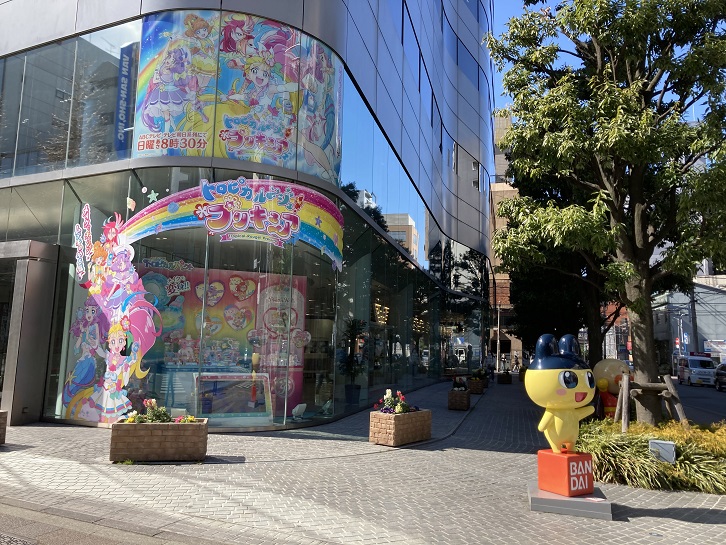
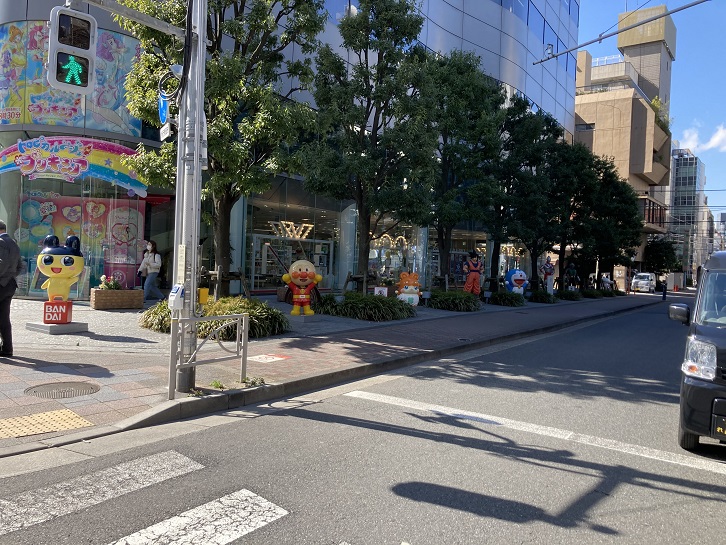
殺風景なオフィスビルが続く一画に、ドラえもん・アンパンマン・ウルトラマン・仮面ライダーなどのカラフルなアニメ像が置かれた特徴的な建物があります。2004年に誕生したバンダイの本社ビルです。滑らかにウェイブするフォルムと、頂部の花火をみるデッキの形が外観上の特徴となっています。壁面の滑らかな表情をつくるアルミパネルとガラスが織りなす姿は、プレス成形したバンダイ製品が持つ工業製品としての精緻さを建築の表現に投影できればと追求したデザインです。ビルの1階と2階には「おもちゃのミュージアム」を併設しています。
駒形の名物といえば、「駒形どぜう」ですね。駒形どぜうの創業は、十一代将軍徳川家斉公時代の享和元年(1801年)です。初代越後屋助七は武蔵国(現埼玉県北葛飾郡)の出身で、18歳の時に江戸に出て奉公した後、浅草駒形にめし屋を開きました。当時から駒形は浅草寺にお参りする参詣ルートであり、また翌年の3月18日から浅草寺のご開帳が行われたこともあって、店は大勢のお客で繁盛したといわれています。初代が始めたどぜう鍋・どぜう汁に加え、二代目助七がくじら鍋を売り出すなど、商売はその後も順調に続きました。嘉永元年(1848年)に出された当時のグルメガイド「江戸名物酒飯手引草」(現在のミシェランガイド)には、駒形どぜうの名が記されています。やがて時代は明治・大正・昭和と移り変わり、関東大震災・第二次世界大戦では店の全焼という被害を受けます。現在、江戸の味と建物は六代目へと引き継がれています。
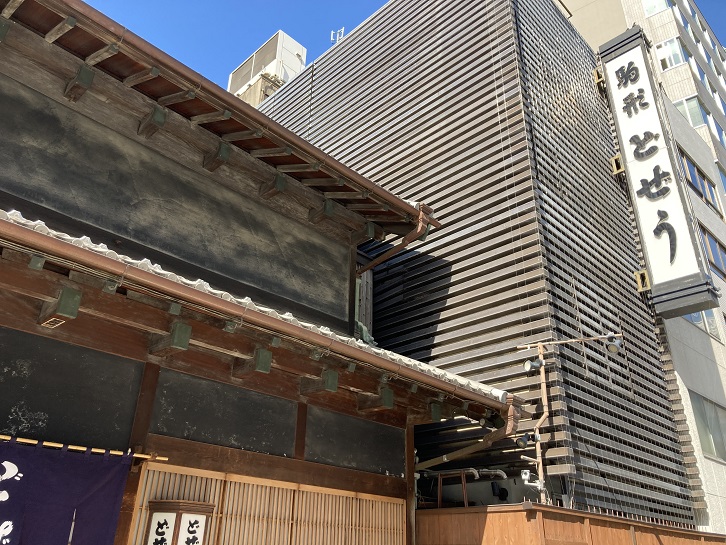
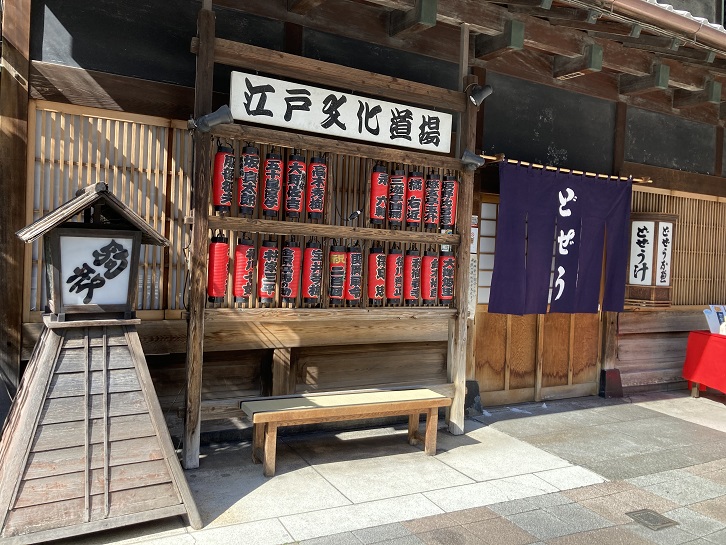
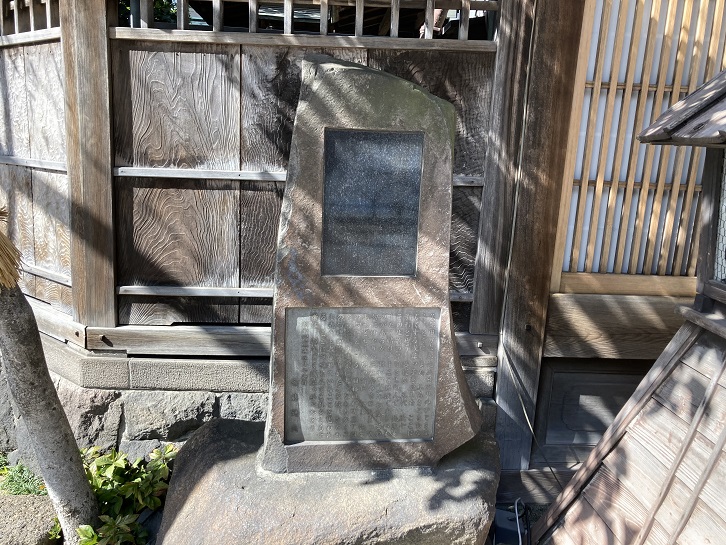
お店の前には、この店を贔屓にしていた久保田万太郎の句を記した石碑が置かれています。確か、人形町の「玉ひで」にもショーウインドウに久保田万太郎のポートレートが置かれていたような。。。
久保田万太郎の句碑
神輿まつ まのどぜう汁 すすりけり
久保田万太郎の石碑
久保田万太郎先生は市井のひとを愛し とくに また ふるさとをおなじくする浅草ッ子を愛した ここに駒形どぜう 越後屋 五代 助七 その生前の厚誼をしのんで 先生をしたう情は まことに涙ぐましいものがあるが 昭和四十一年初夏 この句にゆかりの三社祭の吉日に当たって 駒形どぜうの店の前に いま 先生の句碑を立てる 旧称田原町三丁目なる先生の生家にもっともちかくこの句碑を立てられたことは さだめし先生も喜ばれていることと思われる ここにつつしんでこれをしるす者は おなじく浅草ッ子のひとり
都電22系統は、駒形橋西詰交差点付近の駒形二丁目電停から雷門電停まで支線が延びていました。距離にして約200mの短区間ですが、浅草寺で行事が開催された際などは、大いに利用されたようです。現在、この道路は並木通りという名称になっています。道路の中央に分離帯が設けられているのですが、線路の跡なのでしょうか?
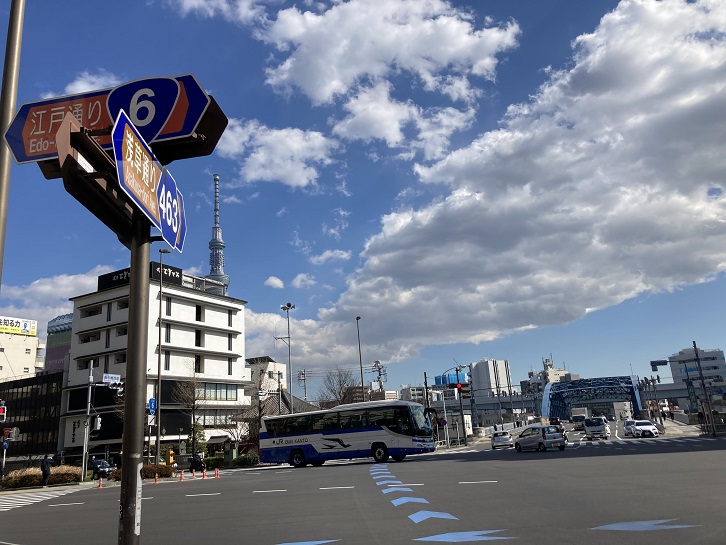
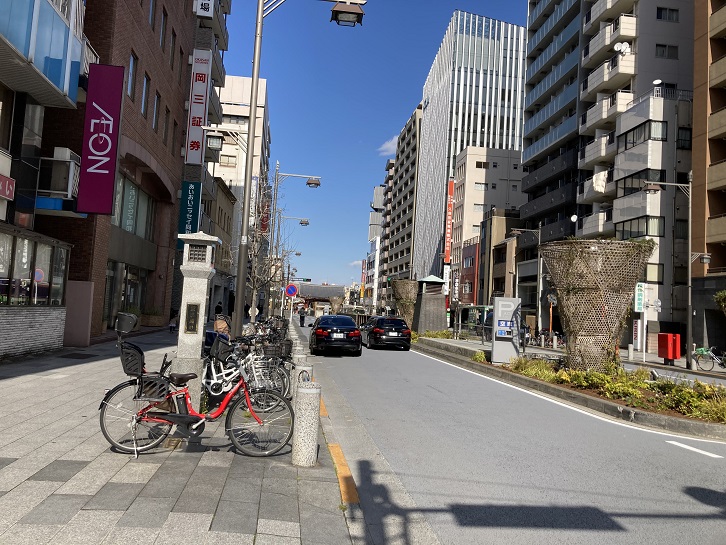
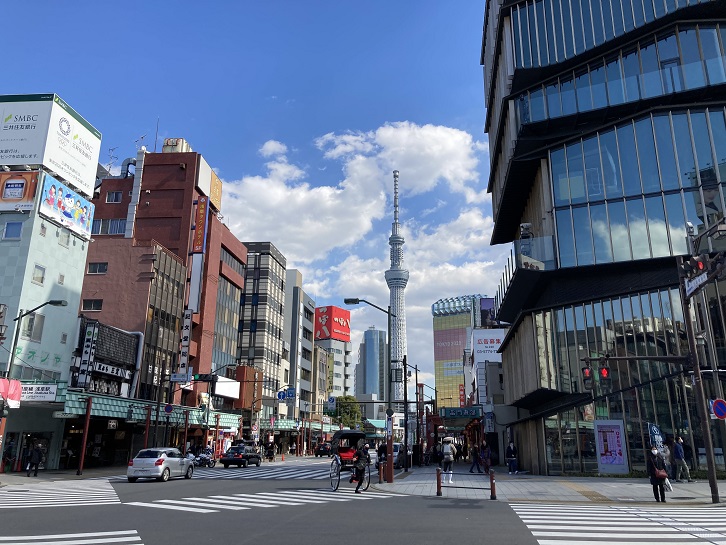
雷門電停は、並木通りが雷門通りにぶつかるT字路のところにあったのではないかと思います。雷門が目の前で、仲見世を通って浅草寺に行くには至極便利だったことでしょう。ついでに、雷門を訪れます。交差点からは東京スカイツリーが間近に見えます。というか、距離的にも近いですけど。
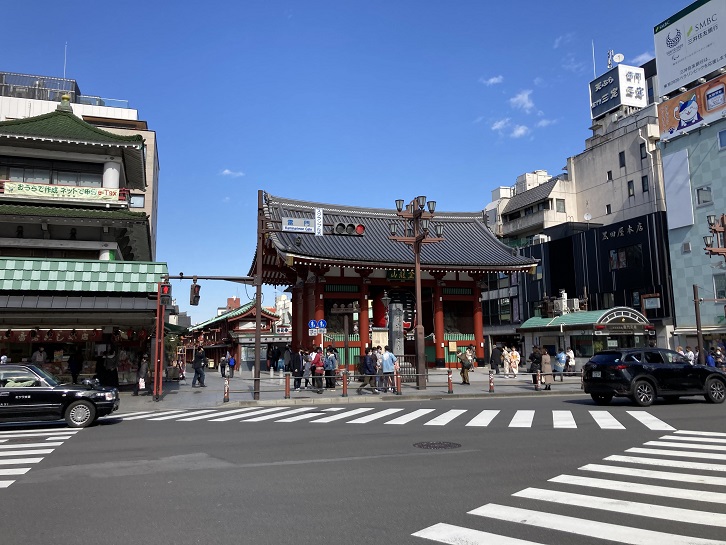
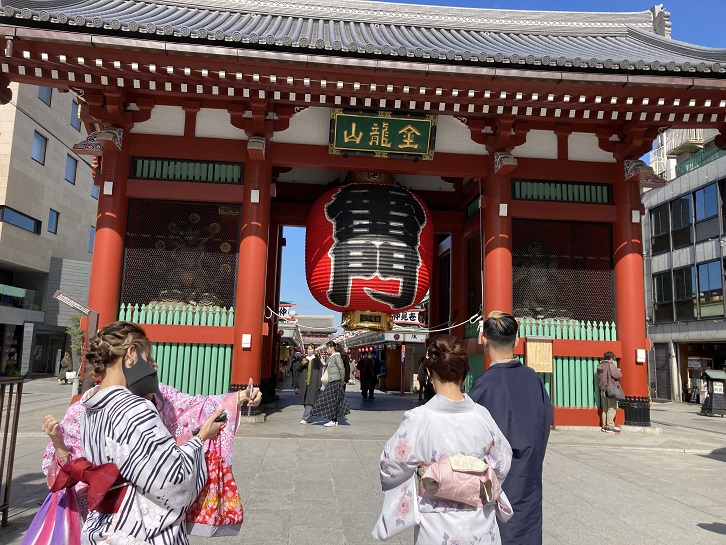
深紅の山門に吊された大提灯は雷門の象徴です。浅草を訪れた観光客は、例外なく大提灯をバックにした写真に収まっている筈です。浅草寺の雷門は、慶応元年(1865年)に火災により焼失しましたが、松下電器の創業者である松下幸之助によって昭和三十五年(1960年)に再建されました。その後は、約10年ごとに大提灯の修復が行われてきました。現在の大提灯は、令和二年(2020年)4月17日に掛け替えられたものです。大提灯は約1年かけて造られ、高さ3.9メートル・重さ約700kgの大きさです。山門を護る雷神様の前に雷門の案内板が立っています。
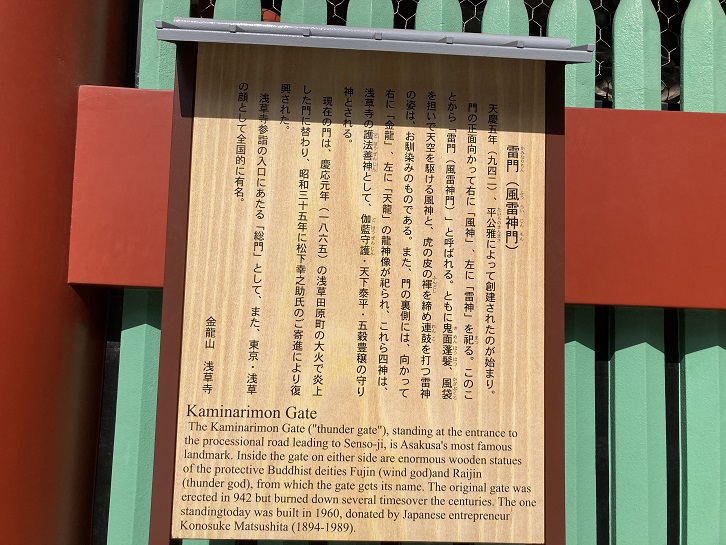
雷門(風雷神門)
天慶五年(942年)、平公雅によって創建されたのが始まり。門の正面向かって右に「風神」、左に「雷神」を祀る。このことから「雷門(風雷神門)」と呼ばれる。ともに鬼面蓬髪、風袋を担いで天空を駆ける風神と、虎の皮の褌を締め連鼓を打つ雷神の姿は、お馴染みのものである。また、門の裏側には、向かって右に「金龍」、左に「天龍」の龍神像が祀られ、これら四神は、浅草寺の護法善神として、伽藍守護・天下泰平・ 五穀豊穣の守り神とされる。現在の門は、慶応元年(1865年)の浅草田原町の大火で炎上した門に替わり、昭和三十五年に松下幸之助氏のご寄進により復興された。浅草寺参詣の入口にあたる「総門」として、また、東京・浅草の顔として全国的に有名。
Kaminarimon Gate
The Kaminarimon Gate ("thunder gate"), standing at the entrance to the processional road leading to Senso-ji, is Asakusa's most famous landmark. Inside the gate on either side are enormous wooden statues of the protective Buddhist deities Fujin (wind god) and Raijin (thunder god), from which the gate gets its name. The original gate was erected in 942 but burned down several timesover the centuries. The one standingtoday was built in 1960, donated by Japanese entrepreneur Konosuke Matsushita (1894-1989).
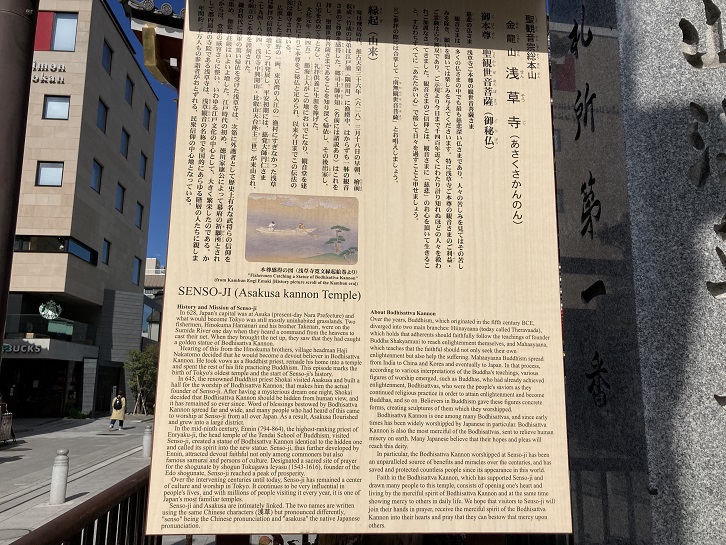
雷門広場には浅草寺の案内板が立っています。英語表記の案内文を最後まで読んだ外国人はまずいないでしょう。
聖観音宗総本山 金龍山 浅草寺(あさくさかんのん)
御本尊 聖観世音菩薩(御秘仏) 慈悲の仏さま 浅草寺ご本尊の観世音菩薩さま
観音さまは、多くの仏さまの中でも最も慈悲深い仏さまであり、人々の苦しみを見てはその苦しみを除き、願いを聞いては楽しみを与えてくださいます。特に浅草寺ご本尊の観音さまのご利益・ご霊験は古今無双であり、ご示現より今日まで千四百年近くにわたり計り知れぬほどの人々を救われ、ご加護なさってきました。観音さまのご信仰とは、観音さまに「慈悲」のお心を頂いて生きること、すなわちすべてに「あたたかい心」で接して日々を過すことと申せましょう。
*ご参拝の際には合掌して「南無観世音菩薩」とお唱えしましょう。
縁起(由来)
時は飛鳥時代、推古天皇三十六年(628年)三月十八日の早朝、檜前浜成・竹成の兄弟は江戸(隅田川)に漁撈中、はからずも一躰の観音さまのご尊像を感得した。郷司土師中知(名前には諸説あり)はこれを拝し、聖観世音菩薩さまであることを知り深く帰依し、その後出家し、自宅を改めて寺となし、礼拝供養に生涯を捧げた。大化元年(645年)、勝海上人がこの地においでになり、観音堂を建立し、夢告によりご本尊をご秘仏と定められ、以来今日までこの伝法の掟は厳守されている。広漠とした武蔵野の一画、東京湾の入江の一漁村にすぎなかった浅草は参拝の信徒が増すにつれ発展し、平安初期には、慈覚大師円仁さま(794年~864年、浅草寺中興開山・比叙山天台座主三世)が来山され、お前立のご本尊を謹刻された。鎌倉時代に将軍の篤い帰依を受けた浅草寺は、次第に外護者として歴史上有名な武将らの信仰をも集め、伽藍の荘厳はいよいよ増した。江戸時代の初め、徳川家康公によって幕府の祈願所とされてからは、堂塔勝の威容さらに整い、いわゆる江戸文化の中心として、大きく繁栄したのである。かくして都内最古の寺院である浅草寺は、浅草観音の名称で全国的にあらゆる階層の人たちに親しまれ、年間約三千万人もの参詣者がおとずれる、民衆信仰の中心地となっている。
SENSO-JI (Asakusa kannon Temple)
History and Mission of Senso-ji
In 628, Japan's capital was at Asuka (present-day Nara Prefecture) and what would become Tokyo was still mostly uninhabited grasslands. Two fishermen, Hinokuma Hamanari and his brother Takenari, were on the Sumida River one day when they heard a command from the heavens to cast their net. When they brought the net up, they saw that they had caught a golden statue of Bodhisattva Kannon.
Hearing of this from the Hinokuma brothers, village headman Haji Nakatomo decided that he would become a devout believer in Bodhisattva Kannon. He took vows as a Buddhist priest, remade his home into a temple and spent the rest of his life practicing Buddhism. This episode marks the birth of Tokyo's oldest temple and the start of Senso-ji's history.
In 645, the renowned Buddhist priest Shokai visited Asakusa and built a hall for the worship of Bodhisattva Kannon; that makes him the actual founder of Senso-ji. After having a mysterious dream one night, Shokai decided that Bodhisattva Kannon should be hidden from human view, and it has remained so ever since. Word of blessings bestowed by Bodhisattva Kannon spread far and wide, and many people who had heard of this came to worship at Senso-ji from all over Japan. As a result, Asakusa flourished and grew into a large district.
In the mid-ninth century, Ennin (794-864), the highest-ranking priest of Enryaku-ji, the head temple of the Tendai School of Buddhism, visited Senso-ji, created a statue of Bodhisattva Kannon identical to the hidden one and called its spirit into the new statue. Senso-ji, thus further developed by Ennin, attracted devout faithful not only among commoners but also famous samurai and persons of culture. Designated a sacred site of prayer for the shogunate by shogun Tokugawa Ieyasu (1543-1616), founder of the Edo shogunate, Senso-ji reached a peak of prosperity.
Over the intervening centuries until today, Senso-ji has remained a center of culture and worship in Tokyo. It continues to be influential in people's lives, and with millions of people visiting it every year, it is one of Japan's most familiar temples.
Senso-ji and Asakusa are intimately linked. The two names are written using the same Chinese characters (浅草) but pronounced differently, "senso" being the Chinese pronunciation and "asakusa" the native Japanese pronunciation.
About Bodhisattva Kannon
Over the years, Buddhism, which originated in the fifth century BCE, diverged into two main branches: Hiinayaana (today called Theravaada), which holds that adherents should faithfully follow the teachings of founder Buddha Shakyamuni to reach enlightenment themselves, and Mahaayaana, which teaches that the faithful should not only seek their own enlightenment but also help the suffering. Mahaayaana Buddhism spread from India to China and Korea and eventually to Japan. In that process, according to various interpretations of the Buddha's teachings, various figures of worship emerged, such as Buddhas, who had already achieved enlightenment, Bodhisattvas, who were the people's saviors as they continued religious practice in order to attain enlightenment and become Buddhas, and so on. Believers in Buddhism gave these figures concrete forms, creating sculptures of them which they worshipped.
Bodhisattva Kannon is one among many Bodhisattvas, and since early times has been widely worshipped by Japanese in particular. Bodhisattva Kannon is also the most merciful of the Bodhisattvas, sent to relieve human misery on earth. Many Japanese believe that their hopes and pleas will reach this deity.
In particular, the Bodhisattva Kannon worshipped at Senso-ji has been an unparalleled source of benefits and miracles over the centuries, and has saved and protected countless people since its appearance in this world.
Faith in the Bodhisattva Kannon, which has supported Senso-ji and drawn many people to this temple, consists of opening one's heart and living by the merciful spirit of Bodhisattva Kannon and at the same time showing mercy to others in daily life. We hope that visitors to Senso-ji will join their hands in prayer, receive the merciful spirit of the Bodhisattva Kannon into their hearts and pray that they can bestow that mercy upon others.
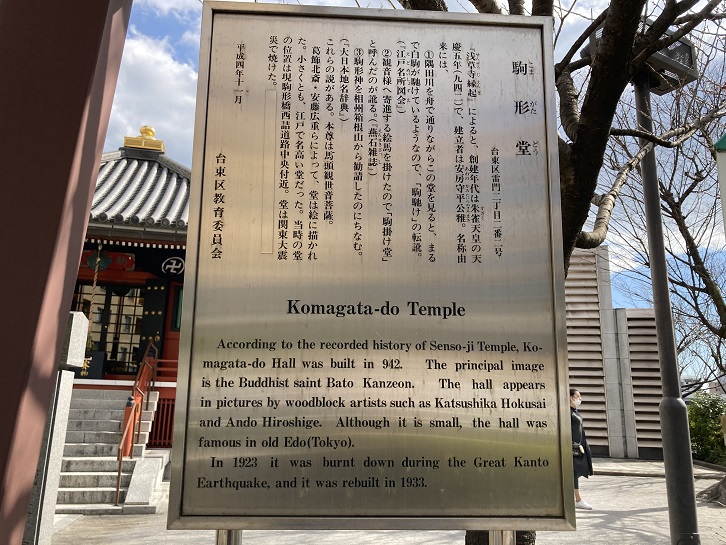
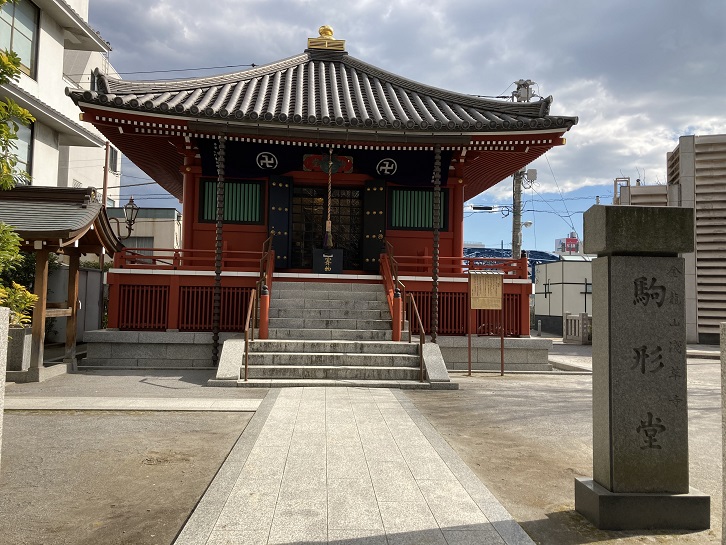
支線跡を歩き終え、再び駒形橋西詰交差点に戻ってきました。交差点の右手の少し高くなった広場には、真新しいお堂が建っています。駒形堂というのだそうです。駒形堂の案内板は2ヶ所に立っています。ひとつは境内の入口横、もうひとつは堂の前です。入口横の案内板は台東区教育委員会が設置しています。
駒形堂
「浅草寺縁起」によると、創建年代は朱雀天皇の天慶五年(942年)で、建立者は安房守平公雅。名称由来には、
①隅田川を舟で通りながらこの堂を見ると、まるで白駒が馳けているようなので、「駒馳け」の転訛。
(「江戸名所図会」)
②観音様へ寄進する絵馬を掛けたので「駒掛け堂」と呼んだのが訛る。
(「燕石雑誌」)
③駒形神を相州箱根山から勧講したのにちなむ。
(「大日本地名辞典」)
これらの説がある。本尊は馬頭観世音菩薩。葛飾北斎・安藤広重らによって、堂は絵に描かれた。小さくとも、江戸で名高い堂だった。当時の堂の位置は現駒形橋西詰道路中央付近。堂は関東大震災で焼けた。
Komagata-do Temple
According to the recorded history of Senso-ji Temple, Komagata-do Hall was built in 942. The principal image is the Buddhist saint Bato Kanzeon. The hall appears in pictures by woodblock artists such as Katsushika Hokusai and Ando Hiroshige. Although it is small, the hall was famous in old Edo (Tokyo). In 1923 it was burnt down during the Great Kanto Earthquake, and it was rebuilt in 1933.
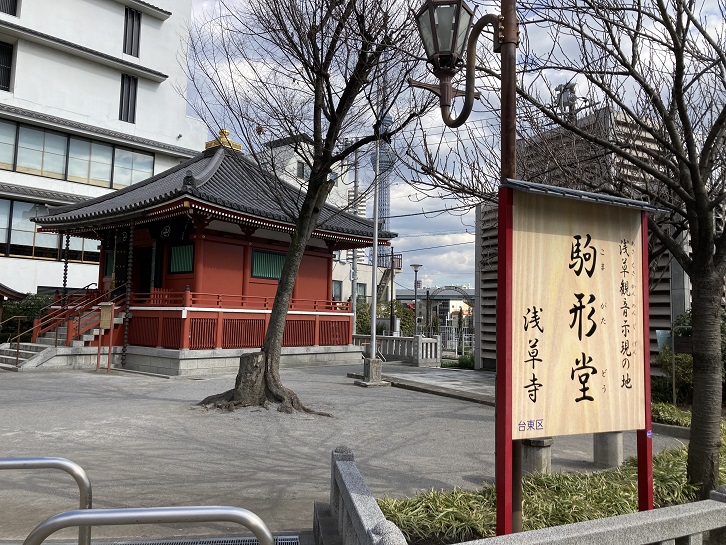
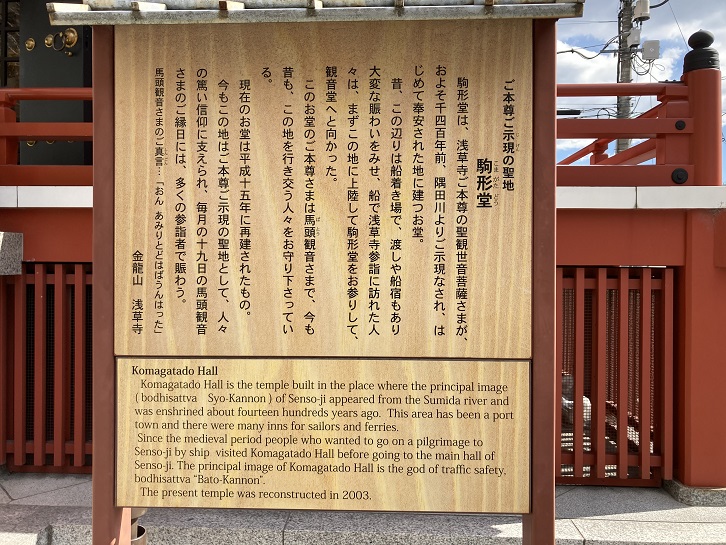
堂の前の案内板は浅草寺が設置しています。
ご本尊ご示現の聖地 駒形堂
駒形堂は、浅草寺ご本尊の聖観世音菩薩さまが、およそ千四百年前、隅田川よりご示現なされ、はじめて奉安された地に建つお堂。昔、この辺りは船着き場で、渡しや船宿もあり大変な賑わいをみせ、船で浅草寺参詣に訪れた人々は、まずこの地に上陸して駒形堂をお参りして、観音堂へと向かった。このお堂のご本尊さまは馬頭観音さまで、今も昔も、この地を行き交う人々をお守り下さっている。現在のお堂は平成十五年に再建されたもの。今もこの地はご本尊ご示現の聖地として、人々の篤い信仰に支えられ、毎月の十九日の馬頭観音さまのご縁日には、多くの参詣者で賑わう。
馬頭観音さまのご真言・・・「おん あみりとどはばうんはった」
Komagatado Hall
Komagatado Hall is the temple built in the place where the principal image (bodhisattva Syo-Kannon) of Senso-ji appeared from the Sumida river and was enshrined about fourteen hundreds years ago. This area has been a port town and there were many inns for sailors and ferries. Since the medieval period people who wanted to go on a pilgrimage to Senso-ji by ship visited Komagatado Hall before going to the main hall of Senso-ji. The principal image of Komagatado Hall is the god of traffic safety, bodhisattva "Bato-Kannon". The present temple was reconstructed in 2003.
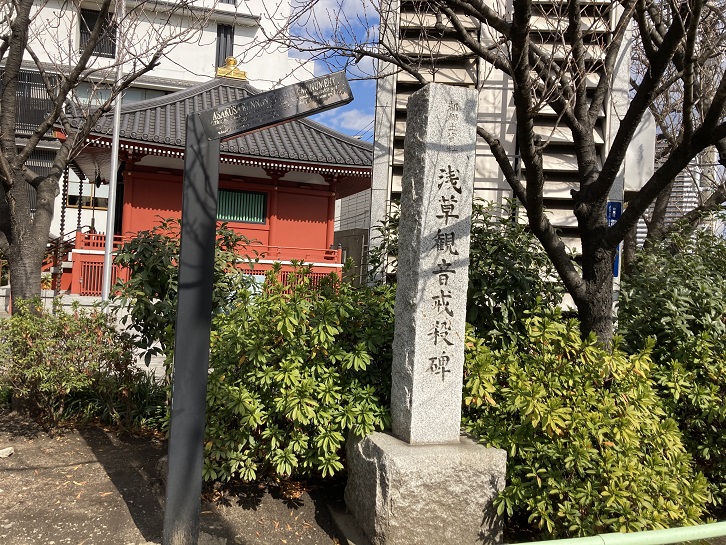
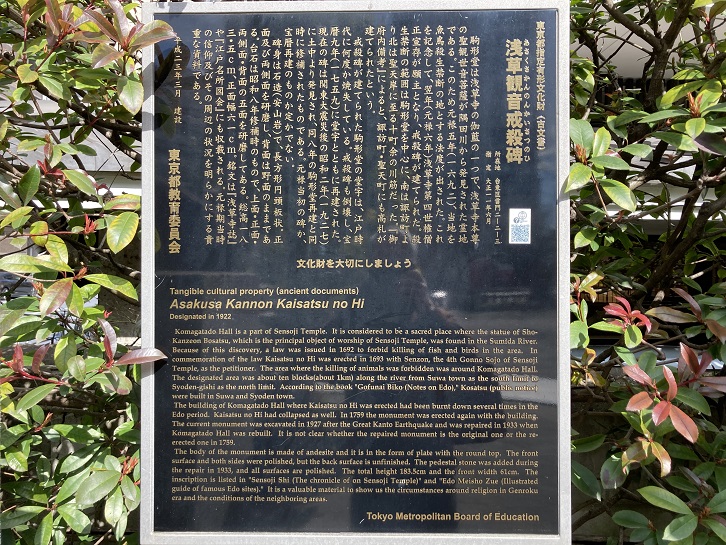
境内の片隅に浅草観音戒殺碑と彫られた石碑が建っています。その横に英語のスタンド案内板が立っていますが読み取れません。堂の横には、2枚の板碑の間に同じタイトルの案内板が立っています。板碑に書かれている内容は読み取れませんが、恐らく浅草観音戒殺についての碑文だと思われます。
浅草観音戒殺碑
駒形堂は浅草寺の伽藍の一つで、浅草寺本尊の聖親世音菩薩が隅田川から発見された霊地である。このため元禄五年(1692年)、当地を魚鳥殺生禁断の地とする法度が出された。これを記念して、翌年(元禄六年)浅草寺第四世権僧正宣存が願主となり、戒殺碑が建てられた。殺生禁断の範囲は駒形堂を中心に、南は諏訪町より北は聖天岸に至る十町余の川筋だった。「御府内備考」によると、諏訪町・聖天町にも高札が建てられたという。戒殺碑が建てられた駒形堂の堂宇は、江戸時代に何度か焼失している。戒殺碑も倒壊し、宝暦九年(1759年)に堂宇とともに再建された。現在の碑は関東大震災後の昭和二年(1927年)に土中より発見され、同八年の駒形堂再建と同時に修補されたものである。元禄当初の碑か、宝暦再建のものか定かでない。碑身は石造(安山岩)で、長方形円頭板状。正面及び両側面を研磨し、背面は野面のままである。台石は昭和八年修補時のもので、上面・正面・両側面・背面の五面を研磨してある。総高183.5cm、正面幅61cm。銘文は「浅草寺誌」や「江戸名所図会」にも収載される。元禄期当時の信仰及びその周辺の状況を明らかにする貴重な資料である。
Tangible cultural property (ancient documents)
Asakusa Kannon Kaisatsu no Hi
Designated in 1922
Komagatado Hall is a part of Sensoji Temple. It is considered to be a sacred place where the statue of ShoKanzeon Bosatsu, which is the principal object of worship of Sensoji Temple, was found in the Sumida River. Because of this discovery, a law was issued in 1692 to forbid killing of fish and birds in the area. In commemoration of the law Kaisatsu no Hi was erected in 1693 with Senzon, the 4th Gonno Sojo of Sensoji Temple, as the petitioner. The area where the killing of animals was forbidden was around Komagatado Hall. The designated area was about ten blocks (about 1km) along the river from Suwa town as the south limit to Syoden-gishi as the north limit. According to the book "Gofunai Biko (Notes on Edo)", Kosatsu (public notice) were built in Suwa and Syoden town.
The building of Komagatado Hall where Kaisatsu no Hi was erected had been burnt down several times in the Edo period. Kaisatsu no Hi had collapsed as well. In 1759 the monument was erected again with the building. The current monument was excavated in 1927 after the Great Kanto Earthquake and was repaired in 1933 when Komagatado Hall was rebuilt. It is not clear whether the repaired monument is the original one or the reerected one in 1759.
The body of the monument is made of andesite and it is in the form of plate with the round top. The front surface and both sides were polished, but the back surface is unfinished. The pedestal stone was added during the repair in 1933, and all surfaces are polished. The total height 183.5cm and the front width 61cm. The inscription is listed in "Sensoji Shi (The chronicle of on Sensoji Temple)" and "Edo Meisho Zue (Illustrated guide of famous Edo sites)". It is a valuable material to show us the circumstances around religion in Genroku era and the conditions of the neighboring areas.
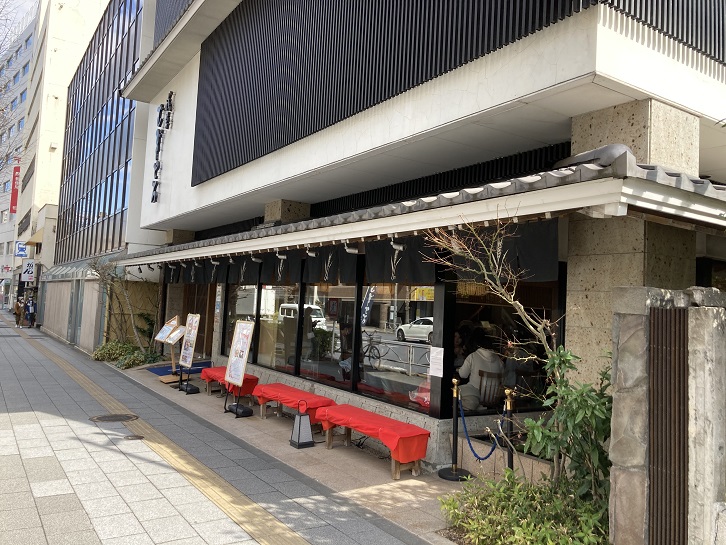
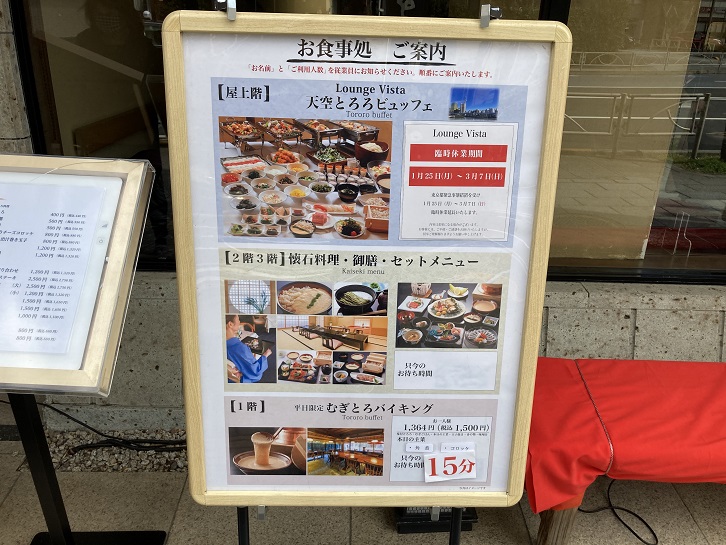
昭和四年(1929年)に創業された「浅草むぎとろ」は、麦の穂が染め抜かれたのれんやお店の前に置かれた長椅子の深紅のマットが小粋です。極上のととろご飯をお手頃に頂ける平日限定の「むぎとろバイキング」が好評で、常に入店待ちのお客さんが長椅子に座って順番を待っています。とろろ以外にも色々食べたい人には、毎日楽しめる「天空とろろビュッフェ」がお勧めです。ただし、お値段は倍になります。この日はコロナ渦でお客さんが少なかったようで、お店の人から「すぐ入れますよん!」と呼び込みがあったのですが、お散歩の途中ということもあってつい遠慮してしまいました。今はお客さんも戻っているでしょうし、あの時に入っておけばと残念な思いです。じゅるっつ。。。
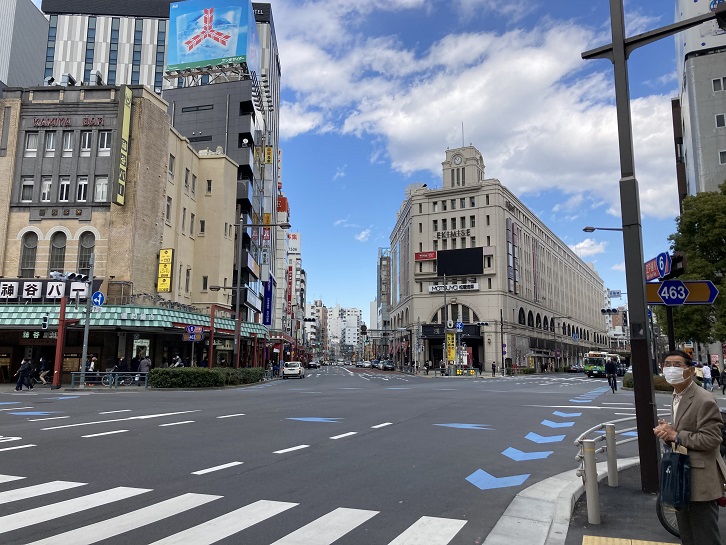
吾妻橋交差点は五叉路になっています。神谷バーの前を左折すると雷門方向へ行き、神谷バーと松屋浅草の間を進むと馬道通り(馬車道通りではない!)となり、松屋浅草の右横を進むと江戸通り、吾妻橋方向に進むと隅田川を渡ります。都電22系統は松屋浅草の右横を通って言問橋西交差点に向かいます。神谷バーというと、お酒を飲むだけのお店のように感じますが、2階はレストラン、3階は割烹となっているみたいです。恐らくは私には縁遠い高級店だと思いますが。ちなみに、神谷バーは日本最初のバーとして知られています。電気ブランが有名ですね。神谷バーは明治十三年(1880年)4月に神谷伝兵衛によって創業されました。当初は酒店で、濁り酒を売っていました。現在の電気ブランの元になった速成ブランデーが製造・販売されたのは明治十五年(1882年)のことです。明治四十五年(1912年)になって、店舗内部を西洋風にして屋号を「神谷バー」と改めました。電気がめずらしい明治の頃、目新しいものが「電気○○○」などと呼ばれて舶来のハイカラ品と人々の関心を集めていましたので、神谷バーで考案されたブランデーをベースに、そのほかジン・ワイン・キュラソー・薬草などをブレンドしたカクテルに電気ブランという名前が付けられました。電気ブランはたいそう強いお酒で、当時はアルコール度数が45度もありましたが、それがまた電気とイメージが重なって、この名がぴったりだったみたいです。
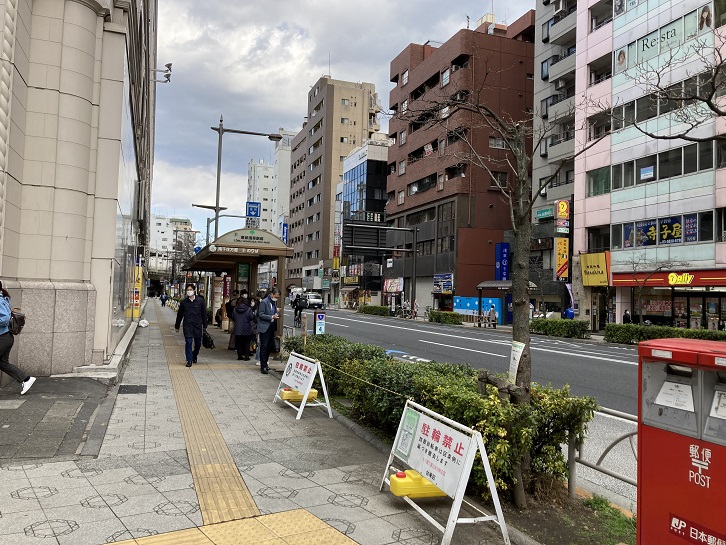
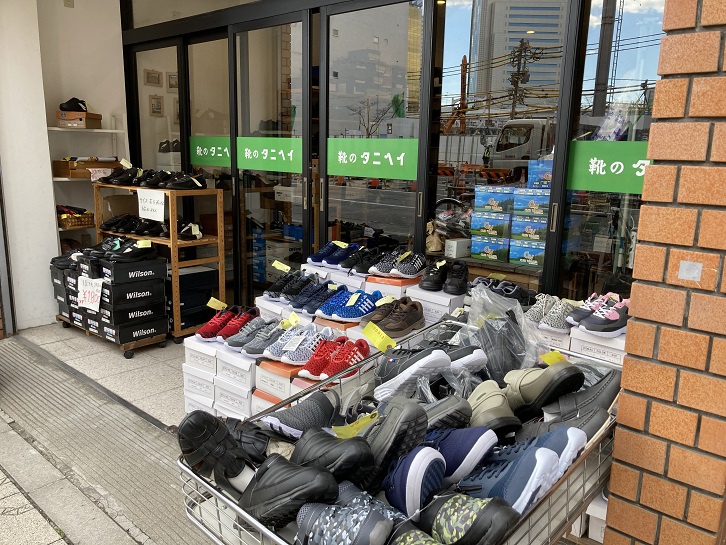
浅草の近くにある花川戸地区のはきもの問屋街は、かっては多くの靴問屋が並んでいた場所です。明治時代に靴製造の第一人者・弾左衛門が浅草に家を構え、その弟子たちによって浅草に多くの靴屋が立地するようになりました。しかし今では安い輸入靴に押されて浅草で作られている靴も少なくなり、問屋の数もかなり減りました。
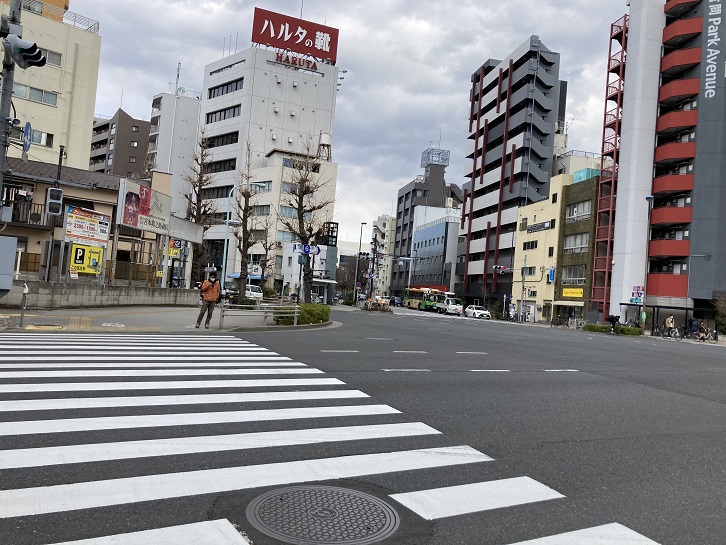
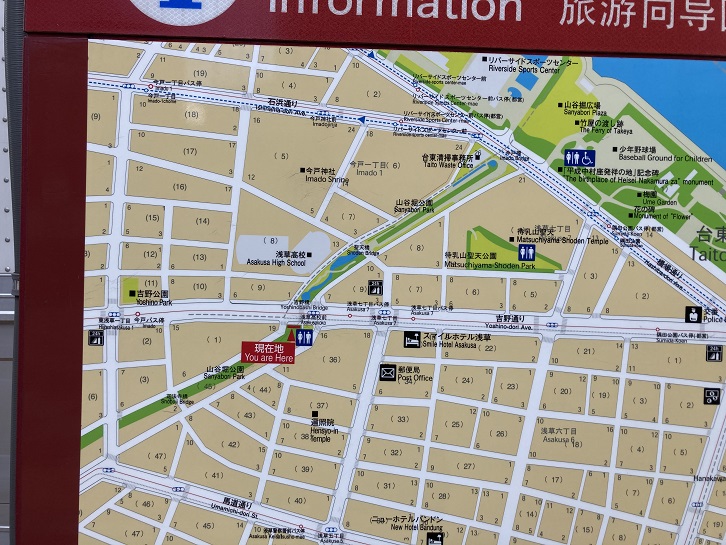
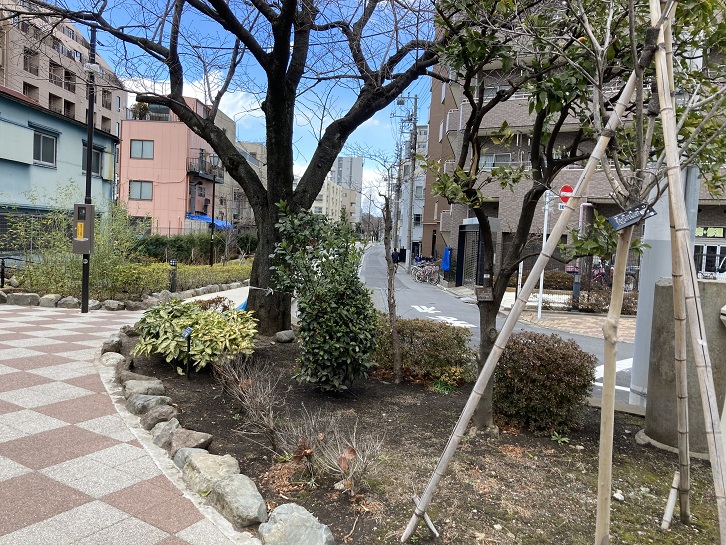
言問橋西交差点も五叉路になっています。都道314号線と言問通りの間に延びるのが吉野通りです。都電22系統は、終点の南千住に向かって吉野通りを北上していきました。
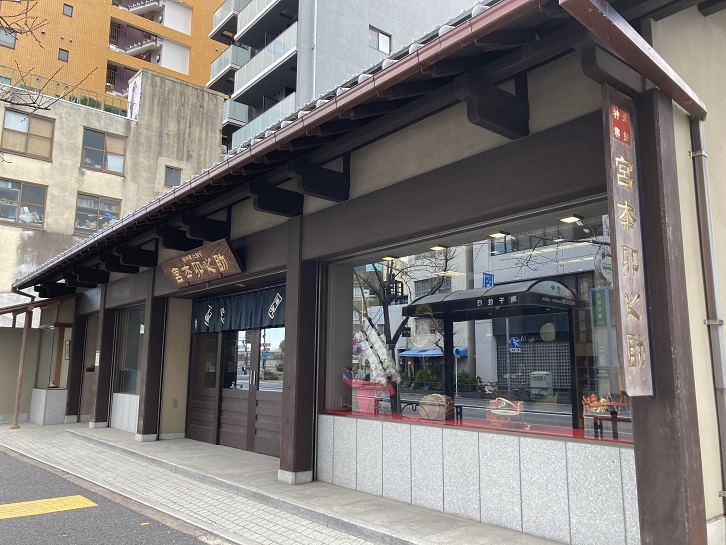
言問橋西交差点脇に、神輿・太鼓・山車・獅子舞用品などの祭礼具の製造販売や修理・復元・貸し出しを行っている宮本卯之助商店の本社があります。文久元年(1861年)に初代清助が土浦で創業し、明治二十六年に4代卯之助が浅草聖天町に店を構えました。一般的な和太鼓(長胴太鼓)だけでなく、能・歌舞伎・雅楽用の太鼓や鳴り物まで幅広く製造しています。三社祭を始め、多くの神社・町会の神輿を「宮本重義」の作人名で製作しています。また、宮内庁楽部をはじめ、全国の神社・仏閣・歌舞伎座・国立能楽堂・日本武道館などに楽器を提供しています。浅草神社の本社神輿(一之宮・二之宮・三之宮)も宮本卯之介商店の作です。
浅草は革問屋が集まる、レザーファンにとっては聖地です。靴・鞄・ベルトなど台東区の革製品の出荷量は日本一で、その拠点は浅草が中心となっています。江戸時代に同業の職人や問屋が集まり、各地で町が形成され、現在の皮問屋街の礎となりました。

吉野橋の親柱は、かって山谷堀に架かっていた橋の名残です。山谷堀の水源は石神井用水(音無川)で、水流は根岸から三ノ輪を通って隅田川まで続いていました。埋め立てられる前の山谷堀には9つの橋があり、吉野橋は隅田川から三番目の橋でした。江戸時代には新吉原遊郭への水上路となり、隅田川から遊郭入口の大門近くまで猪牙舟が遊客を乗せて行き来し、吉原通いを「よろず吉原、山谷堀」とも歌っていました。船での吉原行きは陸路よりも優雅で粋とされ、山谷堀の界隈には船宿や料理屋などが建ち並び、「堀」と言えば山谷堀を指すくらいに有名な場所でした。船の出入りが多くなる夏の夕方などは絵のように美しかったといわれています。河口岸には有明楼などの料亭があり、芸者遊びなどもできたそうです。江戸三座があった猿若町(現在の浅草六丁目辺り)に近かったため、山谷堀芸妓(堀の芸者)は「櫓下」とも呼ばれていました。しかし、明治時代になって遊興の場が吉原から新橋などの花街に移るにつれて次第に寂れ、昭和には肥料船の溜まり場と化し、1975年までには全て埋め立てられました。現在では、日本堤から隅田川入口までの約700mが台東区立の「山谷堀公園」として整備されています。

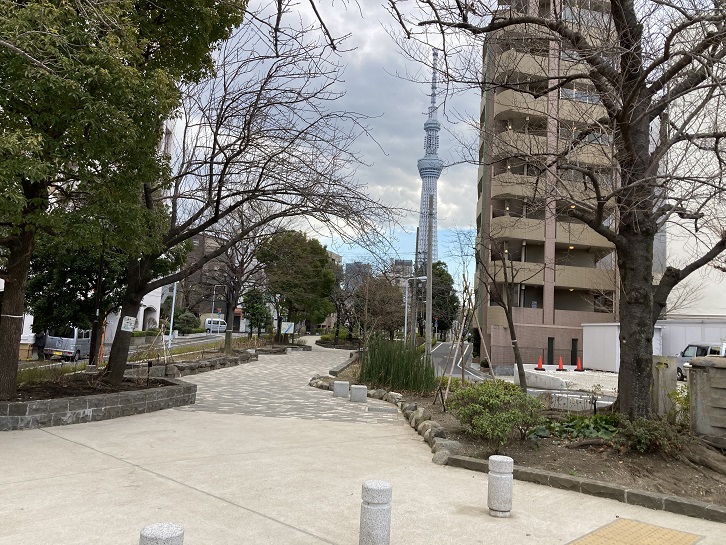
山谷堀公園は山谷堀を埋め立てて造られたために細長い形状をしています。公園には様々な植物が植栽されています。数多くのサクラが育ち、例年3月下旬から4月上旬のお花見シーズンには一面がピンク色に彩られ、混雑する隅田公園よりも隠れた桜の名所として数多くの花見客が訪れています。
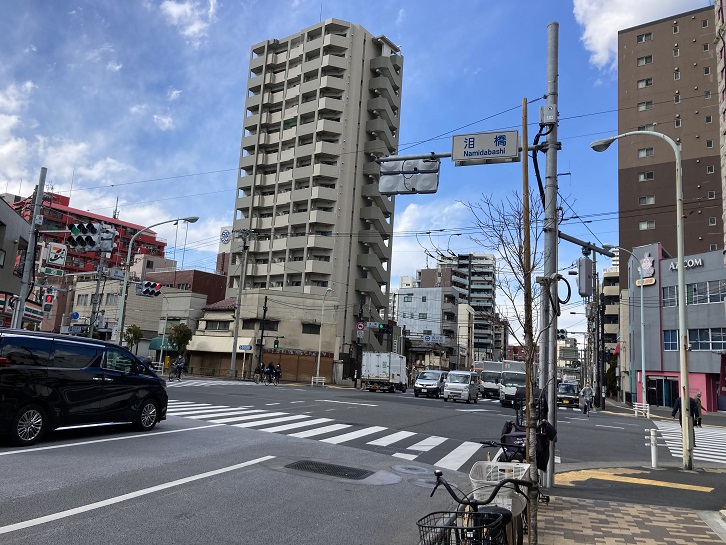
泪橋交差点の名称は、かって近くを流れていた思川に架かっていた泪橋に由来しています。泪橋と同じような由来を持った橋は、品川区を流れる立会川に架かっている「涙橋」があります。涙橋の名が定着したのは、慶安四年(1651年)に東海道沿いに置かれた鈴ケ森刑場と関係があります。恋のために放火の罪を犯し、井原西鶴の「好色五人女」や歌舞伎で知られるようになった「八百屋お七」、徳川吉宗の落とし胤と称して世を騒がした山伏とされる「天一坊」らが処刑された場所です。橋は刑場に向かう道中に位置していたため、護送されてきた罪人をひそかに見送りに来た親族はここで涙を流しながら別れたといわれ、やがて橋も涙橋と呼ばれるようになったと伝わっています。文京区の本郷四丁目にも「別れの橋」がありました。加賀屋敷(現在の東京大学本郷キャンパス)から流れ出していた小川に架かっていた橋で、この橋を谷底として江戸市中側が「見送り坂」、追放された罪人が振り返るのが「見返り坂」と呼ばれていました。
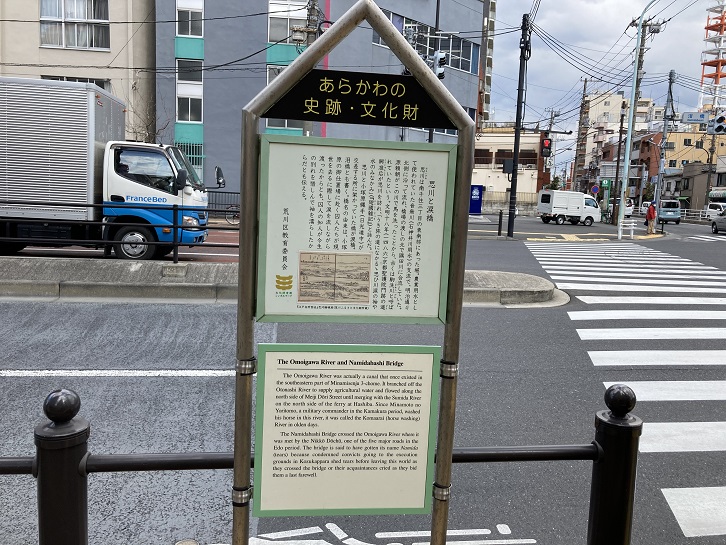
思川と涙橋
思川は南千住三丁目の東南部にあった堀。農業用水として使われていた音無川(石神井川用水)の支流で、明治通り北側に沿って流れ、橋場の渡しの北で隅田川に合流していた。源頼朝がこの川で馬を洗ったことから、古くは駒洗川と呼ばれていたという。文明十八年(1486年)京都聖護院門跡の道興准后が思川を訪れ、「うき旅の道になかるる思ひ川涙の袖や水のみなかみ」(「廻國雑記」)と詠んだ。思川と小塚原縄手(日光道中)が交差する所に架かっていた橋が涙橋。泪橋とも書く。橋名の由来は、小塚原の御仕置場に赴く囚人たちが現世を去るに際して涙を流しながら渡ったからとも、囚人の知人が今生の別れを惜しんで袖を濡らしたからだとも伝える。
The Omoigawa River and Namidabashi Bridge
The Omoigawa River was actually a canal that once existed in the southeastern part of Minamisenju 3-chome. It branched off the Otonashi River to supply agricultural water and flowed along the north side of Meiji Dori Street until merging with the Sumida River on the north side of the ferry at Hashiba. Since Minamoto no Yoritomo, a military commander in the Kamakura period, washed his horse in this river, it was called the Komaarai (horse washing) River in olden days. The Namidabashi Bridge crossed the Omoigawa River where it was met by the Nikko Dochu, one of the five major roads in the Edo period. The bridge is said to have gotten its name Namida (tears) because condemned convicts going to the execution grounds in Kozukappara shed tears before leaving this world as they crossed the bridge or their acquaintances cried as they bid them a last farewell.
都電22系統の終点(始点)となる南千住電停は、現在の都営バス南千住自動車営業所の手前付近にあったようです。都営バス南千住自動車営業所の敷地は、都電22系統のみを管轄していたかっての都電南千住電車営業所の跡地を利用しています。
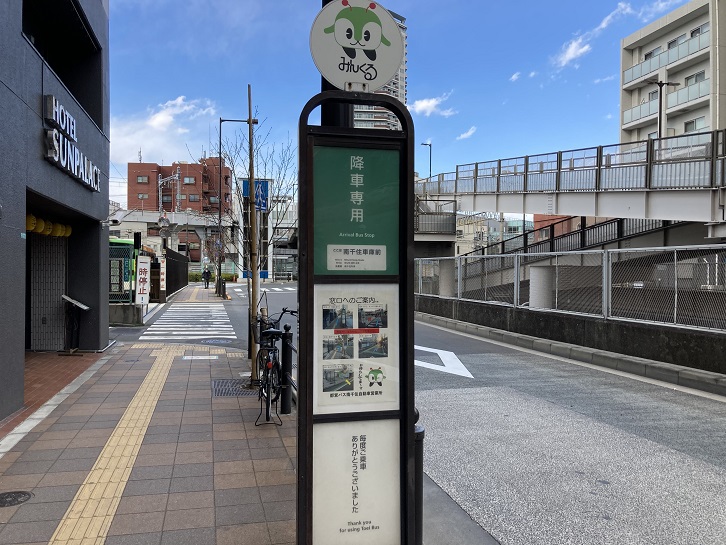
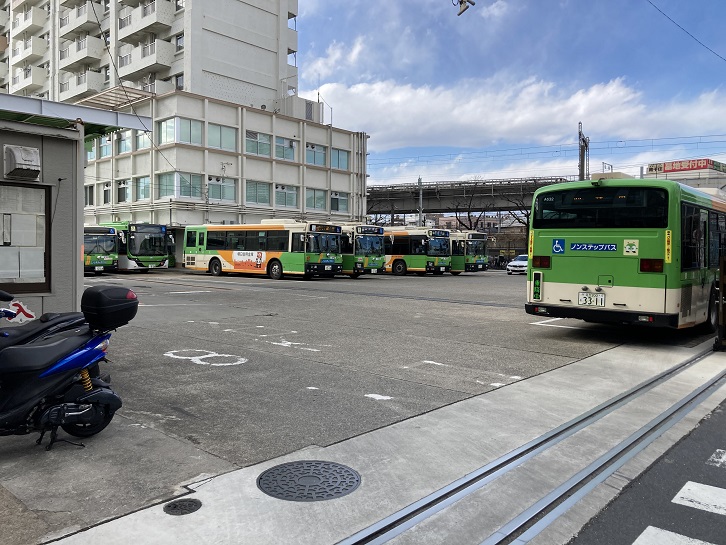
当時も今も、すぐ隣にはJR隅田川貨物駅への貨物線が通っており、上空には地下鉄日比谷線の高架が通っています。
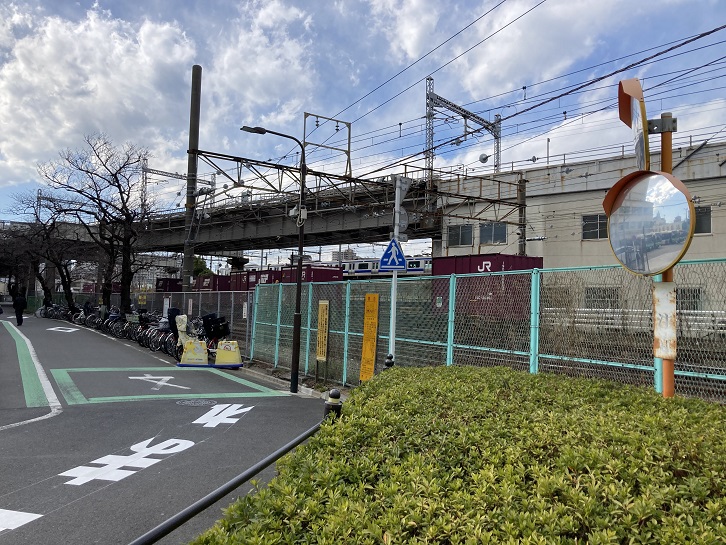
ということで、見所の多かった都電22系統跡の歩きを終えます。最後に小噺をひとつ。
幅が広いことを予想させながら、極端に幅の狭いことを言う漫談の話に、「今日は年齢層が幅広いですねぇ。おじいちゃんからおばあちゃんまで」があります。同じように、「日本全国、北は北千住から南は南千住まで」という話も。きみまろさんが独特の節回しで言うと、観客からどっと笑いがくるのでしょうけど。
戻る